

Sustainable Economy & Green Business
- April 25, 2026
- Posted by: Prajeesh J V
- Category: Uncategorized
Sustainability has become a defining factor in modern economic development. A sustainable economy focuses on long-term growth that balances economic progress, environmental protection, and social well-being. As global challenges such as climate change, resource depletion, and pollution intensify, businesses and governments are increasingly adopting green practices to ensure a sustainable future.
Green business refers to organizations that integrate environmentally responsible practices into their operations, products, and services. These businesses aim to reduce their environmental footprint while maintaining profitability and competitiveness.
In today’s global economy, sustainability is not just an ethical choice—it is a strategic necessity. Companies that embrace sustainable practices can enhance brand reputation, attract investors, and achieve long-term success. For firms like Intia OPC Private Limited, guiding businesses toward sustainable transformation is a key area of expertise.
Understanding Sustainable Economy
A sustainable economy is built on the principle of meeting present needs without compromising the ability of future generations to meet their own needs. It emphasizes efficient use of resources, renewable energy, and responsible consumption.
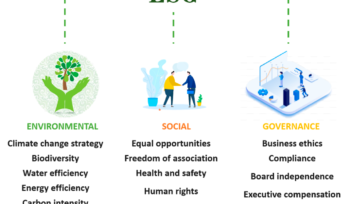
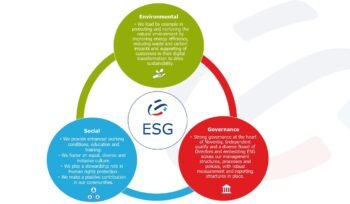
This economic model integrates environmental, social, and governance (ESG) factors into decision-making. It promotes practices that reduce environmental impact, improve social equity, and ensure ethical governance.
Sustainability is increasingly influencing business strategies, investment decisions, and policy frameworks, making it a critical component of modern economic systems.
Importance of Green Business
Green businesses play a vital role in reducing environmental impact and promoting sustainability. By adopting eco-friendly practices, businesses can minimize waste, conserve resources, and reduce emissions.
Sustainability also enhances brand value and customer loyalty. Consumers are increasingly choosing environmentally responsible products and services.
Green business practices contribute to long-term profitability and competitiveness.
Key Principles of Sustainable Business
Resource Efficiency
Efficient use of resources reduces waste and lowers costs. Businesses must optimize energy, water, and raw material usage.
Renewable Energy
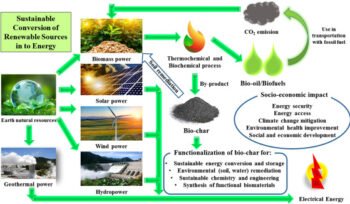
Adopting renewable energy sources such as solar and wind reduces dependence on fossil fuels and lowers carbon emissions.
Waste Reduction
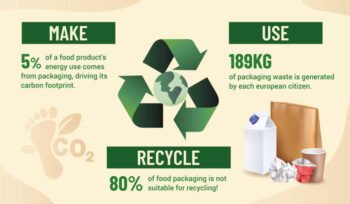
Recycling, reusing, and reducing waste are essential for sustainable operations.
Sustainable Supply Chains
Businesses must ensure that suppliers follow environmentally responsible practices.
Environmental Benefits
Sustainable practices help reduce pollution, conserve natural resources, and protect ecosystems.
By minimizing carbon emissions and adopting green technologies, businesses contribute to climate change mitigation.
Environmental sustainability ensures long-term availability of resources and supports economic stability.
Economic Benefits
Green business practices can lead to cost savings through efficient resource utilization and reduced waste.
Sustainability also attracts investors and funding opportunities, as many investors prioritize ESG-compliant businesses.
Additionally, green businesses gain competitive advantage by differentiating themselves in the market.
Social Impact
Sustainable businesses contribute to social well-being by promoting fair labor practices, community development, and ethical operations.
They create safer working environments and support local communities.
Social responsibility enhances brand reputation and builds trust among stakeholders.
Role of Technology in Sustainability
Technology plays a crucial role in enabling sustainable practices. Innovations such as renewable energy systems, smart grids, and energy-efficient technologies help businesses reduce environmental impact.
Digital tools and data analytics enable better monitoring and optimization of resources.
Technology-driven sustainability enhances efficiency and supports long-term growth.
ESG (Environmental, Social, Governance) Framework
ESG is a key framework used to evaluate sustainability performance. It considers environmental impact, social responsibility, and governance practices.
Businesses that adopt ESG principles are better positioned to attract investors and comply with regulations.
ESG reporting enhances transparency and accountability.
Contact us at the Consulting WP office nearest to you or submit a business inquiry online.


Challenges in Implementing Green Business
Despite its benefits, implementing sustainable practices can be challenging. High initial costs, lack of awareness, and limited access to technology are common barriers.
Businesses may also face resistance to change and regulatory complexities.
Overcoming these challenges requires strategic planning and support.
Government Policies and Support
Governments play a crucial role in promoting sustainability through policies, incentives, and regulations.
Subsidies for renewable energy, tax benefits, and environmental regulations encourage businesses to adopt green practices.
Supportive policies create a favorable environment for sustainable growth.
Role of SMEs in Green Economy
SMEs play a significant role in promoting sustainability. By adopting eco-friendly practices, they can contribute to environmental protection and economic growth.
Digital tools and affordable technologies enable SMEs to implement sustainable practices.
Support from consulting firms and government programs is essential for SME sustainability.
Future of Sustainable Economy
The future of the global economy is increasingly focused on sustainability. Businesses are adopting circular economy models, renewable energy, and green technologies.
Consumer awareness and regulatory pressures are driving the transition toward sustainable practices.
Innovation and collaboration will shape the future of sustainable development.
Role of Strategic Consulting
Strategic consulting is essential for implementing sustainable practices effectively. Consulting firms provide guidance on ESG compliance, resource optimization, and sustainability strategies.
Organizations like Intia OPC Private Limited help businesses transition to green models, ensuring long-term growth and compliance.
Expert guidance enhances efficiency and sustainability.
Conclusion
Sustainable economy and green business practices are essential for long-term economic growth and environmental protection. By integrating sustainability into business strategies, organizations can achieve profitability while contributing to a better future.
While challenges exist, the benefits of sustainability far outweigh the costs. Businesses that adopt green practices gain competitive advantage, attract investment, and build strong relationships with stakeholders.
For organizations like Intia OPC Private Limited, promoting sustainability is a key driver of innovation and growth. By aligning business strategies with environmental and social goals, companies can achieve sustainable success in the modern economy.