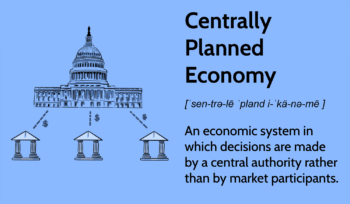
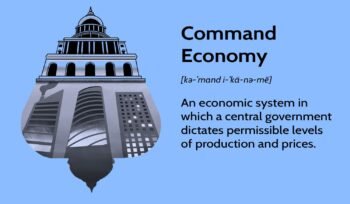
A command economy, also known as a planned economy, is an economic system where the government or central authority makes all major economic decisions. Unlike market economies driven by supply and demand, a command economy operates under centralized control, determining what goods and services are produced, how they are produced, and how they are distributed among the population.
This system is often associated with socialist or communist ideologies, where the primary goal is to achieve economic equality and ensure that resources are distributed fairly. Countries such as the former Soviet Union and present-day North Korea have historically followed command economic principles, while others like China have incorporated elements of both command and market systems.
For strategic organizations like Intia OPC Private Limited, understanding command economies provides insights into policy-driven markets, government-controlled sectors, and large-scale economic planning frameworks.
Meritking Giriş: Meritking Spor BahisleriMarsbahis Giriş: Marsbahis Para Yatırma Ve Çekme İşlemleriMavibet Giriş: Mavibet Güvenilir Mi, Mavibet Bonus Ve KampanyalarMeritking Giriş: Meritking Güvenilir Mi, Meritking Bonus Ve KampanyalarMarsbahis Giriş: Marsbahis Giriş Adresi, Marsbahis Mobilden Giriş 2026Mavibet Giriş: Mavibet Spor Bahisleri, Mavibet Casino Ve Slot OyunlarıMeritking Giriş: Meritking Spor BahisleriMarsbahis Giriş: Marsbahis Para Yatırma Ve Çekme İşlemleriMavibet Giriş: Mavibet Güvenilir Mi, Mavibet Bonus Ve KampanyalarMeritking Giriş: Meritking Giriş Adresi, Meritking Casino Ve Slot OyunlarıMarsbahis Giriş: Marsbahis Güvenilir Mi, Marsbahis Spor BahisleriMavibet Giriş: Mavibet Para Yatırma Ve Çekme İşlemleriMeritking Giriş: Meritking Spor BahisleriMarsbahis Giriş: Marsbahis Para Yatırma Ve Çekme İşlemleriMavibet Giriş: Mavibet Güvenilir Mi, Mavibet Mobilden Giriş 2026Meritking Giriş: Meritking Para Yatırma Ve Çekme İşlemleriMarsbahis Giriş: Marsbahis Spor BahisleriMavibet Giriş: Mavibet Giriş Adresi, Mavibet Güvenilir MiMeritking Giriş: Meritking Giriş Adresi, Meritking Casino Ve Slot OyunlarıMarsbahis Giriş: Marsbahis Güvenilir Mi, Marsbahis Spor BahisleriMavibet Giriş: Mavibet Para Yatırma Ve Çekme İşlemleriMeritking Giriş: Meritking Spor Bahisleri, Meritking Casino Ve Slot OyunlarıMarsbahis Giriş: Marsbahis Para Yatırma Ve Çekme İşlemleriMavibet Giriş: Mavibet Güvenilir Mi, Mavibet Bonus Ve KampanyalarMeritking Giriş: Meritking Canlı Destek Ve İletişimMarsbahis Giriş: Marsbahis Casino Ve Slot OyunlarıMavibet Giriş: Mavibet Bonus Ve KampanyalarMeritking Giriş: Meritking Spor Bahisleri, Meritking Giriş AdresiMarsbahis Giriş: Marsbahis Para Yatırma Ve Çekme İşlemleriMavibet Giriş: Mavibet Güvenilir MiMeritking Giriş: Meritking Canlı Destek Ve İletişimMarsbahis Giriş: Marsbahis Casino Ve Slot Oyunları, Marsbahis Spor BahisleriMavibet Giriş: Mavibet Bonus Ve Kampanyalar, Mavibet Giriş AdresiMeritking Giriş: Meritking Güvenilir Mi, Meritking Bonus Ve KampanyalarMarsbahis Giriş: Marsbahis Giriş Adresi, Marsbahis Mobilden Giriş 2026Mavibet Giriş: Mavibet Spor BahisleriMeritking Giriş: Meritking Giriş Adresi, Meritking Mobilden Giriş 2026Marsbahis Giriş: Marsbahis Güvenilir Mi, Marsbahis Bonus Ve KampanyalarMavibet Giriş: Mavibet Para Yatırma Ve Çekme İşlemleriMeritking Giriş: Meritking Para Yatırma Ve Çekme İşlemleriMarsbahis Giriş: Marsbahis Spor Bahisleri, Marsbahis Casino Ve Slot OyunlarıMavibet Giriş: Mavibet Giriş Adresi, Mavibet Mobilden Giriş 2026Meritking Giriş: Meritking Canlı Destek Ve İletişimMarsbahis Giriş: Marsbahis Casino Ve Slot OyunlarıMavibet Giriş: Mavibet Bonus Ve KampanyalarMeritking Giriş: Meritking Giriş AdresiMarsbahis Giriş: Marsbahis Güvenilir MiMavibet Giriş: Mavibet Para Yatırma Ve Çekme İşlemleriMeritking Giriş: Meritking Güvenilir Mi, Meritking Giriş AdresiMarsbahis Giriş: Marsbahis Giriş Adresi, Marsbahis Bonus Ve KampanyalarMavibet Giriş: Mavibet Spor Bahisleri, Mavibet Casino Ve Slot OyunlarıMeritking Giriş: Meritking Spor Bahisleri, Meritking Casino Ve Slot OyunlarıMarsbahis Giriş: Marsbahis Para Yatırma Ve Çekme İşlemleriMavibet Giriş: Mavibet Güvenilir Mi, Mavibet Bonus Ve KampanyalarMeritking Giriş: Meritking Spor Bahisleri, Meritking Casino Ve Slot OyunlarıMarsbahis Giriş: Marsbahis Para Yatırma Ve Çekme İşlemleriMavibet Giriş: Mavibet Güvenilir Mi, Mavibet Bonus Ve KampanyalarMeritking Giriş: Meritking Güvenilir Mi, Meritking Bonus Ve KampanyalarMarsbahis Giriş: Marsbahis Giriş Adresi, Marsbahis Mobilden Giriş 2026Mavibet Giriş: Mavibet Spor BahislerikalitebetgrandpashabetholiganbetjojobetholiganbetholiganbetextrabetMeritking Giriş: Meritking Spor Bahisleri, Meritking Casino Ve Slot OyunlarıMarsbahis Giriş: Marsbahis Para Yatırma Ve Çekme İşlemleriMavibet Giriş: Mavibet Güvenilir Mi, Mavibet Bonus Ve KampanyalarAntalya Escortwww.giftcardmall.com/mygiftAntalya EscortBursa Escort Bayanistanbul çilingirAntalya Escort BayanHasta YatağıAntalya Escort bayanBetasusBetasus girişBetasusLunabetLunabet girişLunabetBetasusBetasus girişBetasusAntalya Escort Bayanwww.shein.com
What is a Command Economy?
A command economy is a system in which the government owns and controls most of the resources, including land, labor, and capital. Economic decisions are made through centralized planning rather than market forces.
In this system, the government sets production targets, controls prices, and allocates resources to different sectors. The aim is to eliminate inefficiencies, reduce inequality, and ensure that basic needs are met for all citizens.
While this system can achieve rapid industrialization and large-scale coordination, it often lacks flexibility and innovation due to limited market incentives.
How Command Economies Work
In a command economy, the government creates a central plan that outlines production goals, resource allocation, and distribution strategies. This plan is implemented through state-owned enterprises and government agencies.
The government determines which industries to prioritize, often focusing on sectors such as heavy industry, defense, and infrastructure. Resources are allocated based on these priorities, ensuring that production aligns with national objectives.
Workers are assigned jobs, and wages are often standardized. Goods and services are distributed through government channels, ensuring that basic needs are met.
While this system provides stability and control, it can lead to inefficiencies due to lack of competition and innovation.
Examples of Command Economies
Historically, the Soviet Union is one of the most prominent examples of a command economy. It achieved rapid industrialization but faced challenges related to inefficiency and lack of innovation.
North Korea continues to operate under a command economic system, with strict government control over all economic activities.
China, while originally a command economy, has transitioned to a mixed system, incorporating market elements while retaining significant government control.
These examples highlight both the strengths and limitations of command economies.
Role of Government in Command Economy
The government plays a dominant role in a command economy, controlling all aspects of economic activity. It sets production targets, allocates resources, and regulates distribution.
Government agencies oversee industries, ensuring that production aligns with national goals. Policies are designed to promote social welfare and economic equality.
While this control ensures stability, it also limits flexibility and responsiveness to changing conditions.
Impact on Businesses and Entrepreneurs
In a command economy, private entrepreneurship is limited, as most businesses are state-owned. This reduces opportunities for innovation and competition.
However, state-controlled enterprises benefit from government support and stability. Businesses operate within a structured environment with defined objectives.
For consulting firms like Intia OPC Private Limited, understanding command economies is essential for advising on government projects, policy frameworks, and regulated industries.
Command Economy and Globalization
Command economies face challenges in integrating with global markets due to restrictions on trade and limited flexibility.
However, countries like China have demonstrated that combining command principles with market reforms can enhance global competitiveness.
Globalization requires adaptability, making pure command systems less common in modern economies.
PPP projects are common in sectors such as transportation, healthcare, and energy. They improve efficiency and reduce costs while ensuring quality.
For consulting firms like Intia OPC Private Limited, PPP projects offer significant opportunities for strategic planning and execution.
Command Economy vs Market Economy
Feature
Decision Making
Ownership
Pricing
Innovation
Consumer Choice
Command Economy
Government
State
Controlled
Limited
Limited
Modern Economy
Market Forces
Private
Supply & Demand
High
Wide
This comparison illustrates the fundamental differences between command and market systems.