

GDP & Economic Indicators Explained
- April 25, 2026
- Posted by: Prajeesh J V
- Category: Uncategorized
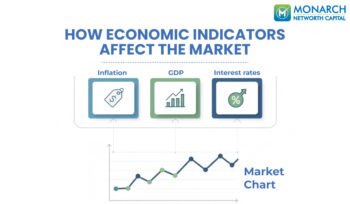
Understanding economic indicators is essential for businesses, investors, and policymakers. Among these indicators, Gross Domestic Product (GDP) stands out as the most widely used measure of a country’s economic performance. However, GDP alone does not provide a complete picture. Other indicators such as inflation, unemployment, interest rates, and trade balance play equally important roles in analyzing economic health.
For businesses, especially in dynamic markets like India, these indicators influence strategic decisions, investment planning, pricing, and expansion. Companies that monitor economic trends can anticipate market changes, reduce risks, and identify growth opportunities.
For consulting-driven organizations like Intia OPC Private Limited, analyzing GDP and economic indicators is a critical part of providing strategic insights and guiding businesses toward sustainable growth.
What is GDP?
Gross Domestic Product (GDP) represents the total monetary value of all goods and services produced within a country’s borders over a specific period, usually annually or quarterly. It is a key indicator used to assess the size and performance of an economy.
GDP can be calculated using three approaches: the production approach, the income approach, and the expenditure approach. The most commonly used method is the expenditure approach, which includes consumption, investment, government spending, and net exports.
GDP growth indicates economic expansion, while a decline suggests contraction. Although GDP is a powerful indicator, it has limitations, as it does not account for income distribution, environmental factors, or informal economic activities.
Types of GDP
Nominal GDP
Nominal GDP measures the value of goods and services at current market prices without adjusting for inflation. It reflects the economy’s size but may not accurately represent real growth.
Real GDP
Real GDP adjusts for inflation, providing a more accurate measure of economic growth. It allows comparison across different time periods by eliminating the effects of price changes.
GDP per Capita
GDP per capita divides total GDP by the population, offering insights into the average economic output per person. It is often used as an indicator of living standards.
Each type of GDP provides different insights, helping businesses and policymakers understand economic conditions more effectively.
Importance of GDP for Businesses
GDP growth directly influences business performance. When GDP is growing, it indicates increased economic activity, higher consumer spending, and greater investment opportunities. Businesses can expand operations, hire more employees, and invest in new projects during such periods.
Conversely, declining GDP signals economic slowdown, reduced demand, and potential financial risks. Businesses may need to adopt cost-control measures and adjust strategies accordingly.
Understanding GDP trends helps businesses align their strategies with economic conditions, ensuring better decision-making and risk management.
Inflation as an Economic Indicator
Inflation measures the rate at which prices of goods and services increase over time. It affects purchasing power, production costs, and overall economic stability.
Moderate inflation is considered healthy for economic growth, as it encourages spending and investment. However, high inflation can increase costs, reduce consumer demand, and create uncertainty for businesses.
Businesses must monitor inflation to adjust pricing strategies, manage costs, and maintain profitability. Inflation also influences interest rates, making it a critical factor in financial planning.
Unemployment Rate
The unemployment rate indicates the percentage of the labor force that is actively seeking work but unable to find employment. It reflects the health of the job market and overall economic conditions.
Low unemployment typically indicates a strong economy with high demand for labor, while high unemployment suggests economic weakness. For businesses, unemployment levels influence labor availability, wage levels, and consumer spending patterns.
A balanced labor market supports sustainable growth and economic stability.
Interest Rates and Monetary Policy
Interest rates are determined by central banks to control inflation and regulate economic activity. They influence borrowing costs for businesses and consumers.
Low interest rates encourage borrowing and investment, supporting business expansion and economic growth. High interest rates, on the other hand, reduce borrowing and slow down economic activity.
Businesses must closely monitor interest rate trends to make informed decisions about investments, financing, and expansion plans.
Trade Balance and Global Impact
The trade balance measures the difference between a country’s exports and imports. A trade surplus occurs when exports exceed imports, while a trade deficit indicates higher imports than exports.
Trade balance impacts currency value, economic growth, and business opportunities. Export-oriented businesses benefit from favorable trade conditions, while import-dependent businesses may face cost fluctuations.
Global trade dynamics significantly influence local economies and business strategies.
Contact us at the Consulting WP office nearest to you or submit a business inquiry online.


Consumer Confidence Index (CCI)
The Consumer Confidence Index measures how optimistic consumers are about the economy and their financial situation. High confidence levels indicate increased spending, while low confidence suggests cautious behavior.
For businesses, consumer confidence directly affects demand for products and services. Understanding consumer sentiment helps companies plan marketing strategies, product launches, and pricing decisions.
A strong consumer confidence index supports business growth and economic expansion.
Industrial Production and Business Activity
Industrial production measures the output of manufacturing, mining, and utilities sectors. It reflects the level of business activity and economic productivity.
An increase in industrial production indicates economic growth, while a decline suggests slowdown. Businesses can use this indicator to assess market demand, supply chain trends, and production planning.
Industrial growth is a key driver of economic development.
Exchange Rates and Currency Value
Exchange rates determine the value of a country’s currency relative to others. They impact international trade, investment, and business operations.
A strong currency makes imports cheaper but may reduce export competitiveness. A weak currency can boost exports but increase import costs.
Businesses engaged in international trade must monitor exchange rates to manage risks and optimize pricing strategies.
Government Policies and Economic Indicators
Government policies influence economic indicators and business environments. Fiscal policies such as taxation and public spending affect GDP, while monetary policies influence inflation and interest rates.
Supportive policies can stimulate economic growth, encourage investment, and create business opportunities. Businesses must stay informed about policy changes to adapt strategies accordingly.
Policy alignment is crucial for long-term business success.
Limitations of Economic Indicators
While economic indicators provide valuable insights, they have limitations. GDP does not reflect income inequality, environmental impact, or quality of life.
Similarly, other indicators may not capture informal economic activities or regional disparities. Businesses must consider multiple indicators and qualitative factors when making decisions.
A comprehensive approach ensures better understanding of economic conditions.
Conclusion
GDP and economic indicators are essential tools for understanding economic performance and guiding business decisions. While GDP provides an overview of economic growth, other indicators such as inflation, unemployment, and interest rates offer deeper insights into economic dynamics.
For businesses, analyzing these indicators is crucial for strategic planning, risk management, and growth. Companies that stay informed about economic trends can adapt quickly and make better decisions.
For organizations like Intia OPC Private Limited, leveraging economic insights enables effective consulting, helping businesses navigate complex economic environments and achieve sustainable success.