

Supply Chain Economics: Managing Costs and Efficiency
- April 25, 2026
- Posted by: Prajeesh J V
- Category: Uncategorized
Supply chain economics plays a crucial role in determining the efficiency, profitability, and competitiveness of businesses. It focuses on how goods, services, and information flow from raw material suppliers to end consumers while optimizing costs and maximizing value. In today’s interconnected global economy, supply chains are more complex than ever, involving multiple stakeholders, geographies, and processes.
For businesses, managing supply chain economics effectively is essential for maintaining profitability and delivering value to customers. Rising costs, global disruptions, and increasing customer expectations have made supply chain optimization a strategic priority.
For organizations like Intia OPC Private Limited, understanding supply chain economics enables businesses to streamline operations, reduce costs, and achieve sustainable growth.

Understanding Supply Chain Economics
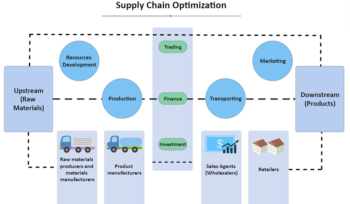
Supply chain economics involves analyzing the cost structures, efficiencies, and value creation within the supply chain. It includes procurement, production, transportation, warehousing, and distribution.
The primary objective is to balance cost efficiency with service quality. Businesses must minimize costs while ensuring timely delivery and customer satisfaction.
Supply chain decisions impact pricing, profitability, and competitiveness. Efficient supply chains create value, while inefficient ones lead to increased costs and reduced performance.
Components of Supply Chain Economics
Procurement
Procurement involves sourcing raw materials and components. Efficient procurement strategies ensure cost savings and quality assurance.
Production
Production processes transform raw materials into finished goods. Optimizing production improves efficiency and reduces costs.
Transportation
Transportation connects different stages of the supply chain. It is a major cost component and requires efficient planning.
Warehousing
Warehousing ensures storage and inventory management. Proper warehousing reduces delays and improves availability.
Distribution
Distribution delivers products to customers. Efficient distribution ensures timely delivery and customer satisfaction.
Cost Factors in Supply Chains
Supply chain costs include procurement costs, production costs, transportation expenses, inventory holding costs, and administrative overheads.
Fluctuations in fuel prices, labor costs, and raw material prices significantly impact supply chain economics. Businesses must monitor these factors to maintain cost efficiency.
Reducing costs without compromising quality is a key challenge. Strategic planning and optimization are essential for achieving this balance.
Importance of Efficiency
Efficiency is critical for supply chain success. Efficient processes reduce costs, improve delivery times, and enhance customer satisfaction.
Automation, process optimization, and technology adoption play a key role in improving efficiency. Businesses must continuously evaluate and improve their supply chain processes.
Efficient supply chains provide a competitive advantage in the market.
Impact of Globalization
Globalization has expanded supply chains across multiple countries. Businesses source materials from different regions and serve global markets.
While globalization offers cost advantages, it also introduces risks such as geopolitical tensions, currency fluctuations, and supply chain disruptions.
Balancing global opportunities with risk management is essential for sustainable supply chain operations.
Role of Technology in Supply Chains
Technology has transformed supply chain management. Digital tools, data analytics, and automation improve visibility and decision-making.
Technologies such as IoT, AI, and blockchain enhance transparency, efficiency, and security. Real-time tracking and predictive analytics enable better planning and risk management.
Digital transformation is essential for modern supply chain management.
Inventory Management
Inventory management is a critical aspect of supply chain economics. Businesses must maintain optimal inventory levels to meet demand without incurring excessive holding costs.
Techniques such as just-in-time (JIT) and demand forecasting help optimize inventory. Proper inventory management reduces waste and improves efficiency.
Balancing supply and demand is key to effective inventory management.
Contact us at the Consulting WP office nearest to you or submit a business inquiry online.




Supply Chain Risks and Disruptions
Supply chains are vulnerable to disruptions such as natural disasters, pandemics, and geopolitical events. These disruptions can impact production, transportation, and delivery.
Risk management strategies include diversification of suppliers, contingency planning, and maintaining safety stock.
Building resilient supply chains is essential for managing uncertainties.
Sustainability in Supply Chains
Sustainability is becoming increasingly important in supply chain management. Businesses are focusing on reducing environmental impact and promoting ethical practices.
Sustainable supply chains include eco-friendly sourcing, energy-efficient transportation, and waste reduction.
Sustainability not only benefits the environment but also enhances brand reputation and competitiveness.
Role of SMEs in Supply Chains
Small and medium enterprises play a vital role in supply chains as suppliers, manufacturers, and distributors.
SMEs must adopt efficient practices and technology to remain competitive. Collaboration and partnerships can help SMEs integrate into global supply chains.
Support from government and consulting firms is essential for SME growth.
Strategic Supply Chain Management
Strategic management involves aligning supply chain operations with business objectives. It includes planning, execution, and continuous improvement.
Businesses must analyze market trends, customer demand, and cost structures to develop effective strategies.
Strategic supply chain management enhances efficiency and profitability.
Role of Consulting and Expertise
Supply chain optimization requires expertise and strategic planning. Consulting firms provide insights into cost management, process improvement, and technology adoption.
Organizations like Intia OPC Private Limited help businesses design efficient supply chains and improve performance.
Expert guidance enhances decision-making and operational efficiency.
Future of Supply Chain Economics
The future of supply chains will be driven by digital transformation, automation, and sustainability. Businesses will adopt advanced technologies to improve efficiency and resilience.
Global supply chains will become more flexible and adaptive, enabling businesses to respond to changing market conditions.
Innovation and strategic planning will shape the future of supply chain economics.
Conclusion
Supply chain economics is a critical aspect of business success, influencing costs, efficiency, and customer satisfaction. Effective supply chain management enables businesses to optimize operations, reduce costs, and improve competitiveness.
In a globalized and dynamic economy, businesses must adopt strategic approaches, leverage technology, and build resilient supply chains.
For organizations like Intia OPC Private Limited, providing expertise in supply chain management is essential for helping businesses achieve sustainable growth and operational excellence.