

Startup Ecosystem & Economic Development
- April 25, 2026
- Posted by: Prajeesh J V
- Category: Uncategorized
Startups have emerged as powerful engines of economic growth, innovation, and employment generation across the world. A strong startup ecosystem not only drives entrepreneurship but also contributes significantly to national and regional economic development. In emerging economies like India, startups play a critical role in transforming traditional industries, introducing new technologies, and creating opportunities for young professionals.
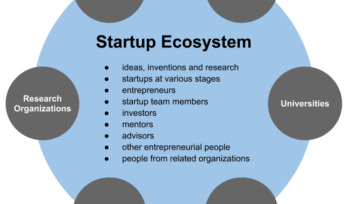
A startup ecosystem is a network of interconnected entities including entrepreneurs, investors, incubators, accelerators, educational institutions, and government bodies. The strength of this ecosystem determines how effectively startups can grow, innovate, and scale.
For strategic consulting firms such as Intia OPC Private Limited, supporting startup ecosystems is essential for driving innovation, enabling business growth, and contributing to long-term economic development.



Understanding the Startup Ecosystem
A startup ecosystem consists of various components that collectively support the creation and growth of new businesses. These include funding sources, mentorship programs, infrastructure, policy frameworks, and market access.
Entrepreneurs form the core of the ecosystem, bringing ideas and innovation. Investors provide financial support, while incubators and accelerators offer guidance, resources, and networking opportunities. Educational institutions contribute by developing talent and fostering research.
A well-functioning ecosystem ensures that startups have access to the resources and support needed to succeed, creating a cycle of innovation and growth.
.
Key Characteristics of a Mixed Economy
-
Coexistence of Public and Private Sectors
Both government and private enterprises operate in the economy, each contributing to production and service delivery.
-
Market-Driven Decision Making
Prices and production decisions are largely determined by supply and demand, allowing businesses to respond to market conditions.
-
Social Welfare Programs
Governments implement policies to reduce inequality and support disadvantaged groups.
-
Provision of Public Goods
Essential services such as healthcare, education, and infrastructure are provided or supported by the government.
-
Government Regulation
The government regulates industries to prevent monopolies, protect consumers, and ensure fair competition.
-
Economic Flexibility
Mixed economies can adapt to changing conditions, combining stability with innovation.
Role of Startups in Economic Growth
Startups contribute to economic growth by introducing innovative products and services that improve efficiency and productivity. They challenge traditional business models and create new markets.
By driving competition, startups encourage established companies to innovate and improve. This leads to overall economic advancement and increased productivity.
Startups also contribute to GDP growth by generating revenue and attracting investments, making them an essential component of modern economies.
Employment Generation
One of the most significant contributions of startups is job creation. Startups provide employment opportunities across various sectors, from technology and manufacturing to services and creative industries.
They often hire young talent, providing opportunities for skill development and career growth. As startups scale, they create more jobs, contributing to economic stability and reducing unemployment.
In emerging economies, startups play a vital role in addressing employment challenges.
Innovation and Technological Advancement
Startups are at the forefront of innovation. They leverage technology to develop new solutions, improve existing processes, and create disruptive business models.
Technological advancements driven by startups include artificial intelligence, fintech, e-commerce, and renewable energy solutions. These innovations not only benefit businesses but also improve the quality of life for consumers.
Innovation is a key driver of economic development, and startups play a central role in fostering it.
Investment and Capital Formation
Startups attract investments from venture capitalists, angel investors, and institutional funds. These investments contribute to capital formation and economic growth.
Foreign investments in startups bring additional capital, expertise, and global connections. This strengthens the overall economy and enhances competitiveness.
A robust investment environment is essential for a thriving startup ecosystem.
Role of Government and Policy Support
Government policies play a crucial role in supporting startups. Initiatives such as tax incentives, funding programs, and regulatory support encourage entrepreneurship.
Programs like startup incubators, innovation hubs, and skill development initiatives provide resources and support for new businesses.
A favorable policy environment reduces barriers to entry and promotes innovation and growth.
Importance of Incubators and Accelerators
Incubators and accelerators provide startups with mentorship, resources, and networking opportunities. They help entrepreneurs refine their ideas, develop business models, and scale operations.
These programs offer access to funding, industry experts, and market insights, increasing the chances of success for startups.
Strong incubation and acceleration support is a key component of a successful startup ecosystem.
Contact us at the Consulting WP office nearest to you or submit a business inquiry online.




Challenges in the Startup Ecosystem
Despite their potential, startups face several challenges, including limited access to funding, market competition, regulatory hurdles, and operational inefficiencies.
High failure rates are common, as startups often operate in uncertain environments with limited resources.
Addressing these challenges requires a supportive ecosystem, strategic planning, and access to expertise.
Role of Digital Platforms
Digital platforms have revolutionized the startup ecosystem by providing access to global markets, customers, and resources.
E-commerce, social media, and digital marketing enable startups to reach a wider audience and build brand awareness.
Technology reduces entry barriers and allows startups to scale quickly, contributing to economic growth.
Impact on Regional Development
Startup ecosystems contribute to regional development by attracting investments, creating jobs, and promoting innovation.
Cities with strong startup ecosystems often become economic hubs, driving growth and development in surrounding areas.
Regional startup initiatives help reduce economic disparities and promote balanced development.
Role of Strategic Consulting
Strategic consulting plays a vital role in the success of startups. Consulting firms provide guidance on business planning, financial management, market entry, and growth strategies.
Organizations like Intia OPC Private Limited help startups navigate challenges, optimize operations, and achieve sustainable growth.
Expert guidance enhances decision-making and improves the chances of success.
Building a Sustainable Startup Ecosystem
Sustainability is essential for long-term success. A sustainable startup ecosystem focuses on continuous innovation, resource efficiency, and social responsibility.
Collaboration between government, private sector, and academia is crucial for building a strong ecosystem.
Sustainable practices ensure long-term economic growth and stability.
Future of Startup Ecosystems
The future of startup ecosystems will be shaped by technology, globalization, and changing consumer behavior. Emerging trends such as artificial intelligence, blockchain, and green technologies will drive innovation.
Startups will continue to play a key role in economic development, creating new opportunities and transforming industries.
Adaptability and innovation will be essential for success in the evolving startup landscape.
Conclusion
Startup ecosystems are vital for economic development, driving innovation, employment, and investment. A strong ecosystem enables startups to grow, scale, and contribute to national and regional economies.
While challenges exist, strategic planning, policy support, and access to resources can help startups succeed. Businesses that leverage startup ecosystems can achieve significant growth and competitive advantage.
For organizations like Intia OPC Private Limited, supporting startups is a key driver of economic progress, helping build a dynamic and sustainable business environment.