

Digital Economy & Business Transformation
- April 25, 2026
- Posted by: Prajeesh J V
- Category: Uncategorized
The digital economy has emerged as one of the most powerful drivers of global economic growth and business transformation. It represents an economic system where digital technologies, data, and online platforms play a central role in production, distribution, and consumption. From e-commerce and fintech to artificial intelligence and cloud computing, digital innovations are reshaping industries and redefining how businesses operate.
In today’s competitive environment, digital transformation is no longer optional—it is essential for survival and growth. Businesses that embrace digital technologies can improve efficiency, enhance customer experience, and unlock new revenue streams. Conversely, organizations that fail to adapt risk losing relevance in an increasingly digital marketplace.
For strategic consulting firms such as Intia OPC Private Limited, guiding organizations through digital transformation has become a core function, enabling businesses to align technology with long-term growth strategies.

Understanding the Digital Economy
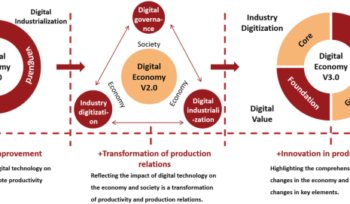
The digital economy is built on the foundation of technology, connectivity, and data. It includes all economic activities that rely on digital technologies, such as online transactions, digital services, and technology-driven business models. Key components of the digital economy include e-commerce platforms, digital payments, cloud computing, data analytics, and emerging technologies like artificial intelligence and blockchain.
Unlike traditional economic systems, the digital economy operates with greater speed, scalability, and global reach. Businesses can connect with customers across the world, manage operations remotely, and leverage data to make informed decisions. This interconnected ecosystem has created new opportunities for innovation, efficiency, and economic growth.
Key Drivers of the Digital Economy
-
Technological Advancements
Rapid advancements in technology, including high-speed internet, smartphones, and cloud computing, have accelerated the growth of the digital economy. These technologies enable businesses to operate efficiently and reach global markets.
-
Global Connectivity
The internet has connected businesses and consumers worldwide, enabling seamless communication, collaboration, and transactions across borders.
-
Data as a Strategic Asset
Data has become one of the most valuable resources in the digital economy. Businesses use data analytics to understand customer behavior, optimize operations, and develop targeted marketing strategies.
-
Rise of Digital Platforms
Platforms such as e-commerce marketplaces and social media networks have transformed how businesses interact with customers. These platforms provide scalability and access to large customer bases.
Impact on Business Models
Digital transformation has fundamentally changed traditional business models. Companies are moving from product-based models to service-oriented and platform-based models. Subscription services, digital marketplaces, and on-demand services have become increasingly popular.
Businesses are also leveraging technology to reduce costs and improve efficiency. Automation, cloud computing, and digital tools enable organizations to streamline operations and focus on core competencies.
The shift toward digital business models allows companies to scale rapidly and adapt to changing market conditions. However, it also requires continuous innovation and investment in technology.
Role of Digital Transformation
Digital transformation involves integrating digital technologies into all aspects of business operations. It is not just about adopting new tools but about changing the way businesses operate and deliver value to customers.
Key areas of digital transformation include process automation, customer engagement, data management, and decision-making. Businesses that successfully implement digital transformation can achieve higher productivity, improved customer satisfaction, and competitive advantage.
Digital transformation also enables businesses to respond quickly to market changes and customer demands, ensuring long-term sustainability.
Impact on Customer Experience
The digital economy has significantly enhanced customer expectations. Customers now demand convenience, personalization, and seamless experiences across all touchpoints.
Businesses use digital tools to provide personalized recommendations, faster service, and improved communication. E-commerce platforms, mobile applications, and digital payment systems have made transactions more convenient and efficient.
Customer experience has become a key differentiator in the digital economy. Companies that prioritize customer-centric strategies are more likely to succeed in competitive markets.
Digital Payments and Fintech Revolution
The rise of digital payments and fintech solutions has transformed financial transactions. Mobile wallets, online banking, and payment gateways have made transactions faster, safer, and more accessible.
For businesses, digital payments reduce transaction costs, improve cash flow management, and enhance customer convenience. In countries like India, digital payment systems have played a significant role in promoting financial inclusion and economic growth.
Fintech innovations continue to create new opportunities for businesses and consumers, driving the growth of the digital economy.
Automation and Artificial Intelligence
Automation and artificial intelligence (AI) are key components of digital transformation. These technologies enable businesses to automate repetitive tasks, improve efficiency, and reduce operational costs.
AI-powered tools can analyze large volumes of data, provide insights, and support decision-making. From customer service chatbots to predictive analytics, AI is transforming how businesses operate.
While automation increases efficiency, it also requires businesses to invest in workforce training and skill development to adapt to new technologies.
Challenges in Digital Transformation
Despite its benefits, digital transformation presents several challenges. High implementation costs, lack of technical expertise, and resistance to change can hinder adoption.
Data security and privacy concerns are also significant challenges. Businesses must ensure that digital systems are secure and compliant with regulations to protect sensitive information.
Additionally, rapid technological changes require continuous investment and adaptation, making it challenging for smaller businesses to keep up.
Contact us at the Consulting WP office nearest to you or submit a business inquiry online.




Opportunities for SMEs
The digital economy provides significant opportunities for SMEs. Digital platforms enable small businesses to reach global markets without substantial investment.
E-commerce, social media marketing, and digital tools allow SMEs to compete with larger organizations. Cloud-based solutions provide affordable access to advanced technologies.
By embracing digital transformation, SMEs can improve efficiency, expand their reach, and enhance competitiveness in the global market.
Role of Government and Policy Support
Government policies play a crucial role in promoting digital transformation. Initiatives such as digital infrastructure development, startup support, and regulatory frameworks encourage businesses to adopt digital technologies.
Programs aimed at improving digital literacy and providing financial incentives help businesses transition to digital platforms.
A supportive policy environment ensures that businesses can leverage digital opportunities while maintaining compliance and security.
Future of the Digital Economy
The digital economy is expected to continue evolving with advancements in technology. Emerging technologies such as blockchain, the Internet of Things (IoT), and advanced AI will further transform business operations.
Digital ecosystems will become more interconnected, enabling seamless collaboration and innovation. Businesses will need to adopt agile strategies to keep pace with technological changes.
Sustainability and ethical practices will also play a significant role in shaping the future of the digital economy.
Conclusion
The digital economy is transforming the way businesses operate, compete, and grow. By leveraging digital technologies, organizations can enhance efficiency, improve customer experience, and unlock new opportunities.
However, successful digital transformation requires strategic planning, investment, and adaptability. Businesses must embrace change and continuously innovate to remain competitive.
For organizations like Intia OPC Private Limited, providing expert guidance in digital transformation is essential. By aligning technology with business strategy, companies can achieve sustainable growth and long-term success in the digital age.